Auf usabilityfail.org kannst du deine Erlebnisse mit schlecht bedienbaren Produkten teilen und zahlreiche weitere Usability Fails bestaunen.

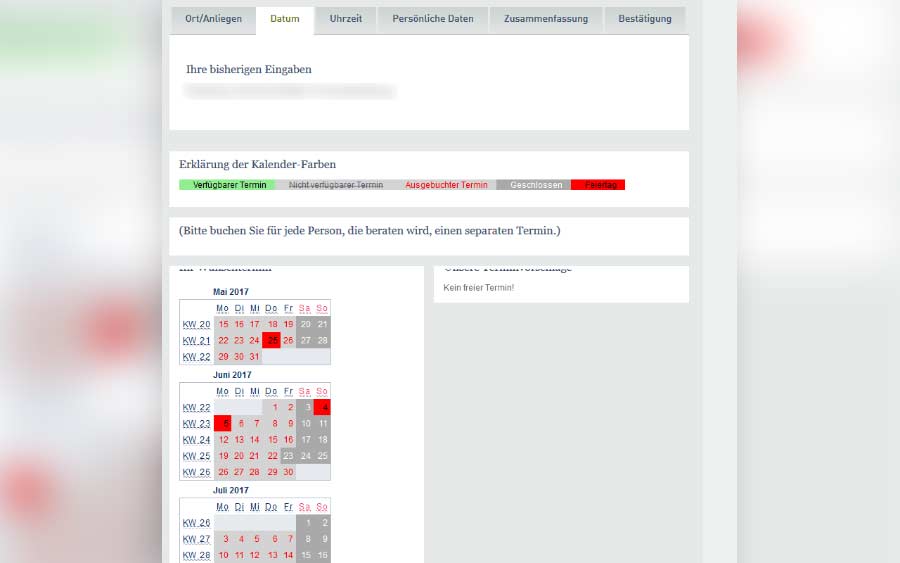
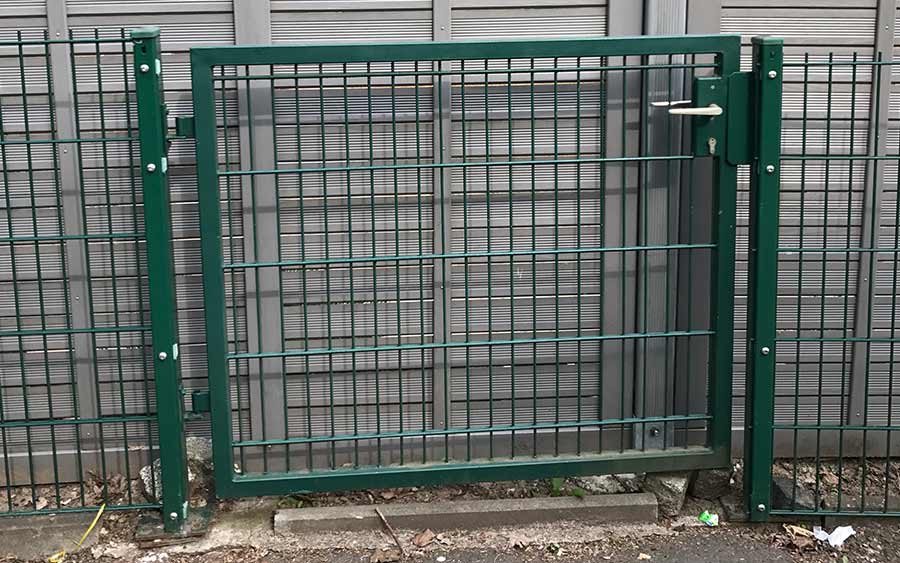
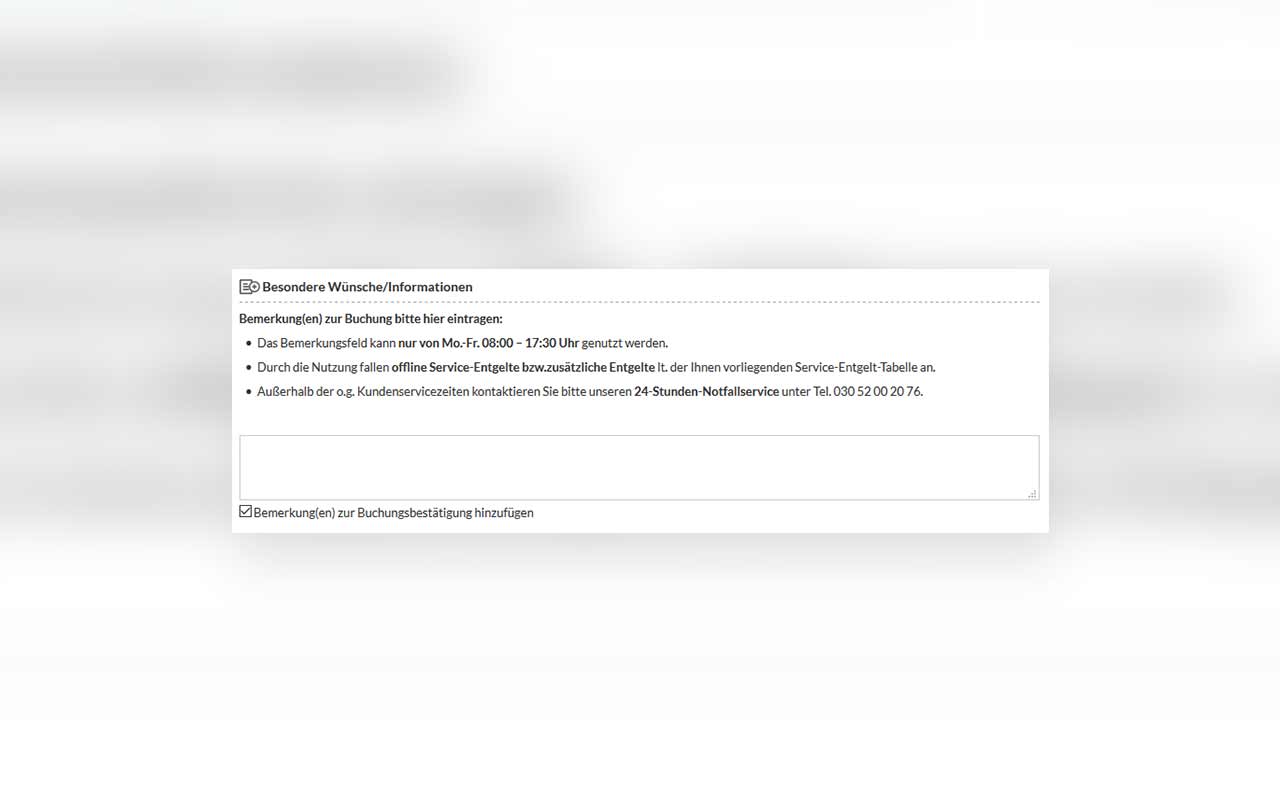
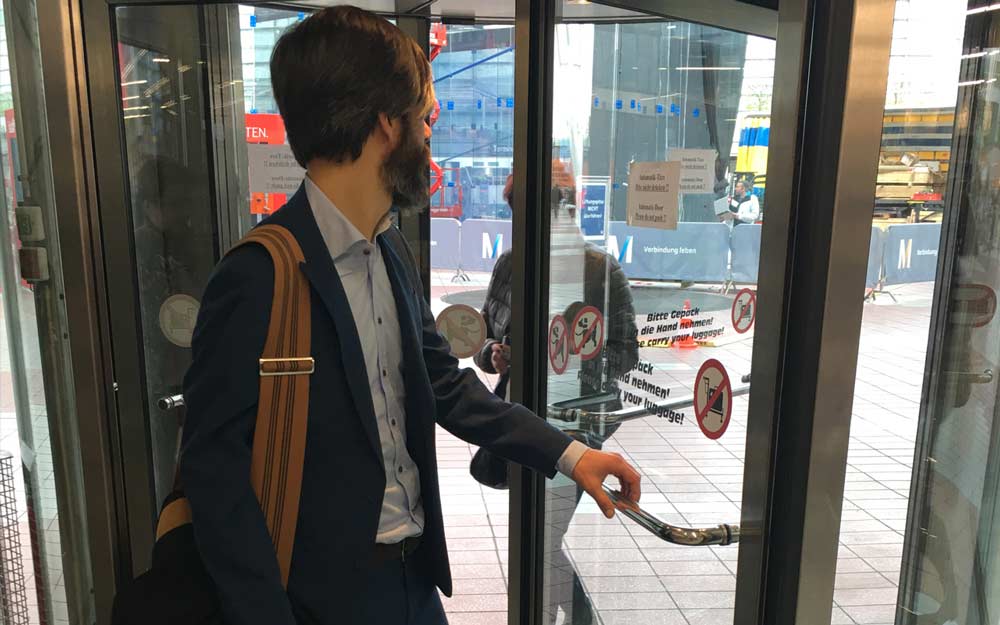

Vielen Dank für deinen Usability Fail!
Wir prüfen nun, ob dein Beitrag für usabilityfail.org geeignet ist. Wenn er in Frage kommt, wird er in Kürze (an Werktagen in der Regel innerhalb von 24 Stunden) auf dieser Seite erscheinen.

Usability Fail einreichen

Impressum
Inhaltlich verantwortlich für usabilityfail.org sind
Torsten Bartel
Gesine Quint
usability.de
usability.de GmbH & Co. KG
Ihmeauen
Ricklinger Straße 5B
30449 Hannover
Fon: 0511 36050777
Fax: 0511 36050749
E-mail: info@usability.de
USt-ID: DE815606508
usability.de GmbH & Co. KG
Handelsregister Amtsgericht Hannover HRA 203706
Komplementärin: UX Management GmbH
Handelsregister Amtsgericht Hannover HRB 213368
Vertreten durch die Geschäftsführer: Torsten Bartel, Gesine Quint
A. Allgemeines
Sie können an dieser Aktion nur teilnehmen, wenn Sie diese Teilnahmebedingungen akzeptieren. Diese Aktion wird von der usability.de GmbH & Co. KG (im Folgenden usability.de) durchgeführt. usability.de behält sich vor, die Aktion zu jedem Zeitpunkt ohne Vorankündigung und ohne Angabe von Gründen zu beenden. Von dieser Möglichkeit macht usability.de insbesondere dann Gebrauch, wenn aus technischen Gründen (z. B. Viren im Computersystem, Manipulation oder Fehler in der Hard- und/oder Software) oder aus rechtlichen Gründen ein ordnungsgemäßer Betrieb nicht gewährleistet werden kann. Wenn die Beendigung der Aktion aus einem dieser Gründe durch das Verhalten eines Teilnehmers/einer Teilnehmerin verursacht wird, behält sich usability.de das Recht vor, von dieser Person Ersatz des entstandenen Schadens zu verlangen.
B. Teilnahme bei „usabilityfail.org“
I. Teilnahmevoraussetzungen
Alle Teilnehmer/-innen werden aufgefordert, sich bei der Produktion ihrer Foto- und/oder Video-Beiträge nicht in Gefahr zu bringen. Mit der Teilnahme bestätigen Sie, dass Sie die Rechte an dem hochgeladenen Foto oder Video besitzen und keine Rechte Dritter verletzen. Die eingereichten Fotos/Videos müssen in üblichen Dateiformaten vorliegen. Videos dürfen eine maximale Länge von 30 Sekunden nicht überschreiten.
usability.de behält sich das Recht vor, Fotos und/oder Videos mit unangemessenem Inhalt sowie Fotos und/oder Videos, die Rechte von Dritten verletzen, aus der Aktion auszuschließen. Ein Anspruch auf Veröffentlichung besteht nicht. Das Foto und/oder Video erscheint auf der Website erst nach Prüfung durch eine Jury. usability.de behält sich das Recht vor, vom Nutzer gewählte Titel und Beschreibungen für die optimale Darstellung anzupassen.
usability.de behält sich außerdem das Recht vor, Teilnehmer/-innen von der Aktion auszuschließen und das von ihnen hochgeladene Foto oder Video zu löschen, wenn sie die Teilnahmebedingungen verletzen, falsche persönliche Daten angeben oder versuchen, diese Aktion durch technische Manipulationen zu beeinflussen.
C. Haftung
Schadenersatzansprüche gegenüber usability.de, die im Zusammenhang mit der Aktion stehen, sind – innerhalb des gesetzlich Zulässigen – unabhängig vom Rechtsgrund ausgeschlossen, es sei denn, usabilility.de hätte vorsätzlich oder grob fahrlässig gesetzliche Pflichten verletzt. Der Haftungsausschluss gilt des Weiteren nicht für Verletzungen des Produkthaftungsgesetzes oder Verletzungen von Leben, Körper oder Gesundheit.
Der/Die Teilnehmer/-in versichert, dass die erforderliche Einwilligung Dritter im Hinblick auf das Hochladen der eingereichten Fotos und/oder Videos für die Abtretung der Verwertungsrechte an usability.de vorliegt und dass keine Rechte Dritter verletzt werden. In diesem Umfang haftet der/die Teilnehmer/-in vollständig und stellt usability.de von Forderungen Dritter aufgrund der Verwendung der eingereichten Fotos und/oder Videos, einschließlich der angemessenen Kosten für Rechtsverteidigung und/oder Rechtsverfolgung, frei.
D. Datenschutz
Der/Die Teilnehmer/-in kann jederzeit seine/ihre Zustimmung zur Speicherung seiner/ihrer persönlichen Daten widerrufen.
I. Verwertungsrechte für die Fotos und Videos
Der/Die Teilnehmer/-in räumt usability.de ein unwiderrufliches, einfaches, unbefristetes Nutzungsrecht am dem/den eingereichten Foto/Fotos oder Video/Videos ein. Davon umfasst ist die Möglichkeit, das Foto/Video zu vervielfältigen, zu verbreiten und zum Zweck der Eigenwerbung und Selbstdarstellung öffentlich zugänglich zu machen. Die vorgenannten Nutzungshandlungen erfolgen ausschließlich im Zusammenhang mit der Aktion. Dies beinhaltet die Nutzung des/der vom Teilnehmer/ von der Teilnehmerin eingereichten Fotos oder Videos für die Veröffentlichung im Internet und in sozialen Netzwerken; die Aufnahme in Publikationen; dazu zählen auch Veröffentlichungen durch Dritte, etwa in Presseberichterstattungen. Eine weitergehende kommerzielle Nutzung zu sonstigen Zwecken bedarf der Zustimmung durch den Teilnehmer/ die Teilnehmerin.
II. Widerruf
Die Verarbeitung und Nutzung der unter Punkt I genannten Zwecke kann bei usability.de unter der Telefonnummer 0511-3605070 jederzeit widerrufen werden.
E. Salvatorische Klausel
Sollten einzelne Bestimmungen dieser Teilnahmebedingungen unwirksam sein oder eine Regelungslücke bestehen, berührt dies nicht die Wirksamkeit der übrigen Bestimmungen. An die Stelle der unwirksamen oder fehlenden Bestimmungen tritt eine Bestimmung, welche dem Vertragszweck und den gesetzlichen Bestimmungen am nächsten kommt.
F. Anwendbares Recht
Bei Streitigkeiten gilt ausschließlich das Recht der Bundesrepublik Deutschland.